
FILIPINO CRAFTSMANSHIP IN ASSASSIN’S CREED BLACK FLAG RESYNCED
Filipino Developers Help Bring Assassin’s Creed Black Flag Back to Life
Millions of players will return to the Caribbean in Assassin’s Creed Black Flag Resynced, but few may realize that many of the places they explore, missions they complete, and gameplay moments they experience were built by Filipino developers.
As Ubisoft Philippines celebrates its 10th anniversary, the studio is also marking its biggest milestone yet: co-developing Assassin’s Creed Black Flag Resynced, the modern remake of Ubisoft’s critically acclaimed 2013 pirate adventure.
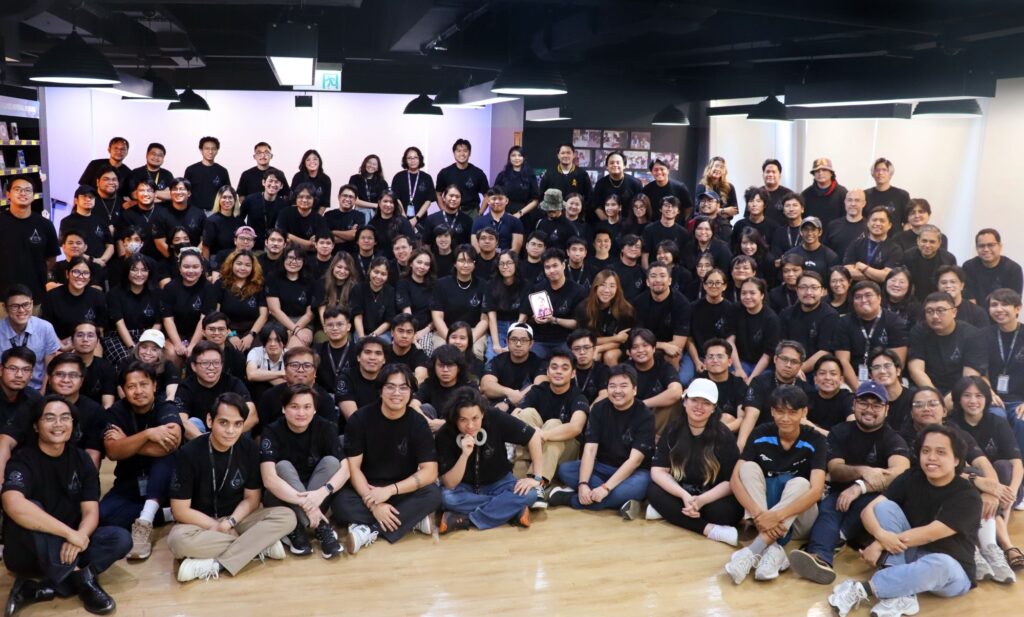
The project stands as the studio’s 13th AAA title and its eighth contribution to the Assassin’s Creed franchise, developed alongside lead studio Ubisoft Singapore and teams across Barcelona, Belgrade, Bordeaux, Bucharest, Chengdu, Da Nang, India, Kyiv, Montpellier, Montreal, Quebec, Shanghai, Sofia, and the Philippines.
For Ubisoft Philippines, however, this wasn’t simply another supporting role.
Associate Producer Alfonse Angliongto described the remake as the studio’s largest undertaking to date.
“This was the first time the studio was entrusted with a project of this scale, with full responsibility and accountability for driving its successful delivery.”
Rebuilding a beloved classic
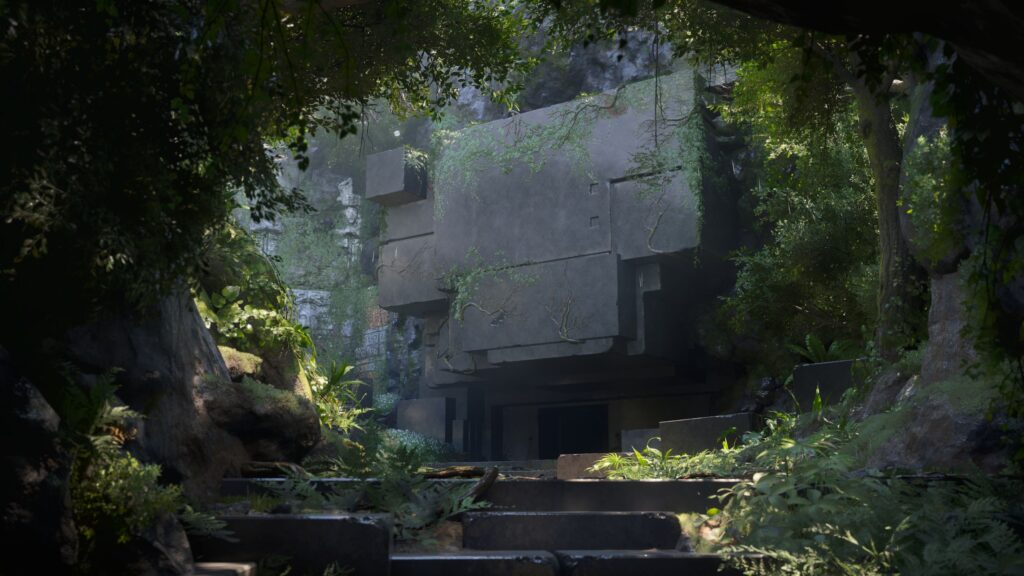
Rather than creating new content from scratch, the team faced a different challenge: modernizing one of the most celebrated entries in the Assassin’s Creed series without losing what made it memorable.
To do that, Ubisoft Philippines went back to the source—not the original game files, but the players themselves.
“Our fans come first. Before working on Resynced, we looked at all the fan feedback and suggestions to see what parts of the game that they liked and the parts that needed improvement. We spent a good chunk of time reading through online forums, watching game reviews and fan walkthroughs to understand what the players enjoy in Black Flag,” said JP Tan, Art Director of Ubisoft Philippines and one of the developers who also worked on the original release.
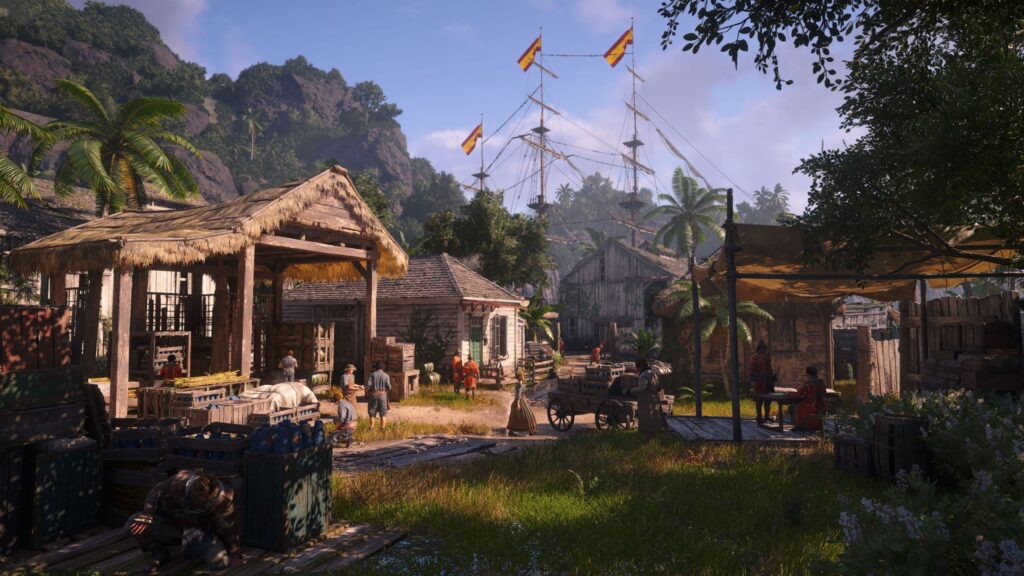
The studio was responsible for rebuilding several major locations including Kingston, Port Royale and Long Bay, while also developing Forts, Harpooning, Assassin Contracts, Templar Hunts, and portions of the game’s main story.
Technology catches up with ambition
When the original Black Flag launched in 2013, technologies such as Physically Based Rendering (PBR) and advanced global illumination were still in their infancy.
More than a decade later, the remake takes advantage of modern rendering techniques including Physically Based Rendering, Ray-Traced Global Illumination (RTGI), and Micropolygon technology, allowing environments to feature richer lighting, more realistic materials, and significantly greater detail across vast landscapes.
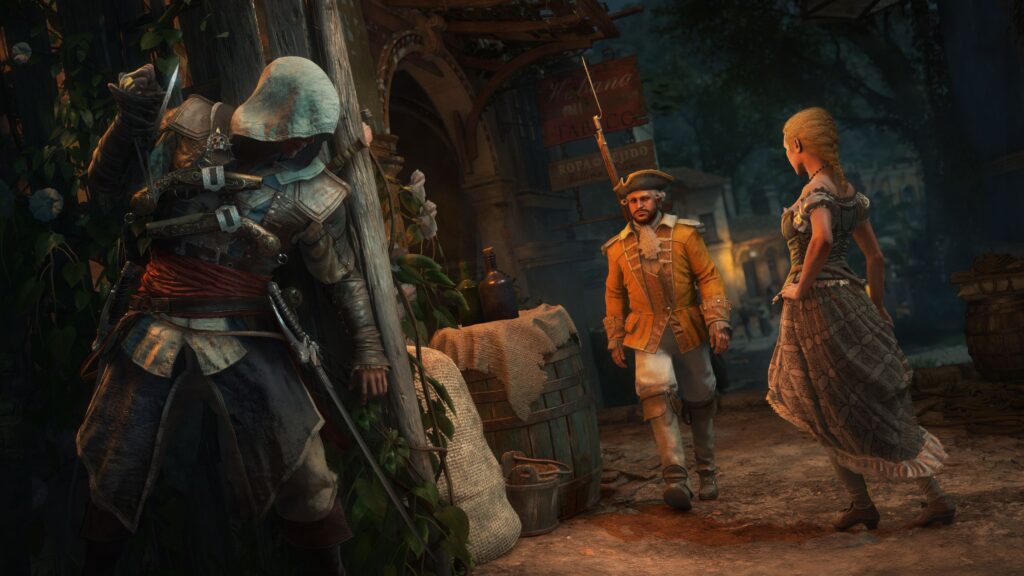
“Looking back at the time when we worked on the original Black Flag, the art direction pillars were to introduce the vibrancy of the Caribbean and to showcase the grittier side of the pirate’s life. Fast forward to today, we wanted to be faithful to those original intentions together with the modern advancements of the Anvil engine,” Tan explained.
The improvements extend beyond graphics.
Players walking through Kingston will notice residents taking shelter beneath verandas, washing clothes by the river, and carrying out everyday routines, while Port Royale reflects its own history through environmental details shaped by natural disasters. Ubisoft Philippines also produced much of the game’s environmental audio using its new 5.1 Surround Sound studio, creating a richer Caribbean soundscape for exploration and combat.
Making familiar gameplay feel new
Two of the remake’s biggest gameplay improvements also came from Ubisoft Philippines.
The studio redesigned the Fort missions so players now storm enemy strongholds alongside the Jackdaw’s crew instead of completing objectives largely on their own. Crew members now behave more like pirates, looting captured forts and participating in the assault, while the final confrontation has been expanded into a more cinematic encounter.
“In the original, the Fort side activity ended once a fort is captured,” explained Lead Game Designer Choogs Tan. “In the remake, we enhanced player expression and the narrative aspects to give players a more satisfying conclusion for the gameplay loop.”
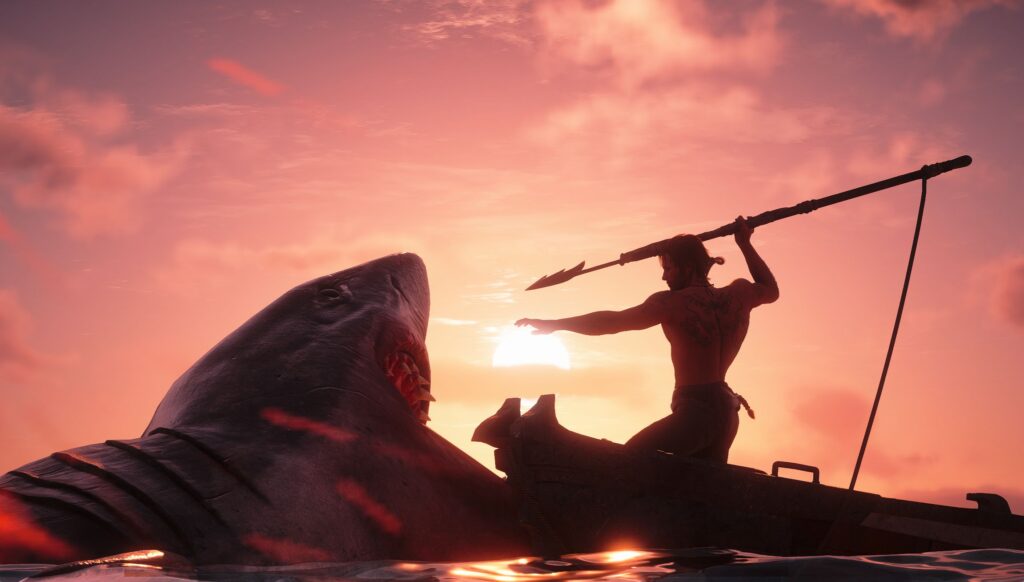
The Harpooning activity also received a major overhaul.
Lead Programmer Dennis Li said the team wanted every encounter to feel more physical by redesigning the rope mechanics with a dynamic, physics-driven system.
“We wanted Harpooning to be more physics driven. In the original, once the harpoon hits the target, the rope is immediately taut until you capture the animal or the rope breaks. In the remake, it responds dynamically to player input and movement.”
Even the quality assurance team saw their role as preserving more than code.
“The most memorable moments were the bugs that became memes, and the memes that became milestone markers. Because as we laughed at the absurdity of the bugs we hunted, those moments would eventually become reminders of how far we’d come, milestone after milestone,” said QA Lead Joven Falcon.
A milestone for Filipino game development
Beyond the game itself, Assassin’s Creed Black Flag Resynced highlights how far the local industry has come.
What began as a support studio a decade ago has grown into a key contributor trusted with major gameplay systems, environments, and production responsibilities on one of gaming’s biggest franchises.
For players, it means experiencing a polished remake of a fan favorite.
For the Philippine gaming industry, it is another reminder that world-class games are increasingly being built not only for Filipinos—but by Filipinos.
Assassin’s Creed Black Flag Resynced is now available on PlayStation 5, Xbox Series X|S, and PC.