
UPS AND DOWNS: Infinix NOTE Edge Review
— Premium Ambitions, Midrange Realities
Remember when a thin phone automatically meant a small battery?
2026 has been busy proving that assumption wrong.
Apple’s iPhone Air may have dominated headlines, but it also sparked renewed interest in a category many people thought had disappeared: smartphones designed to feel impossibly slim in the hand. Android brands have responded with their own interpretations, each trying to balance thinness, battery life, and affordability without dropping the ball on everyday usability.
The Infinix NOTE Edge might be one of the most ambitious example yet.
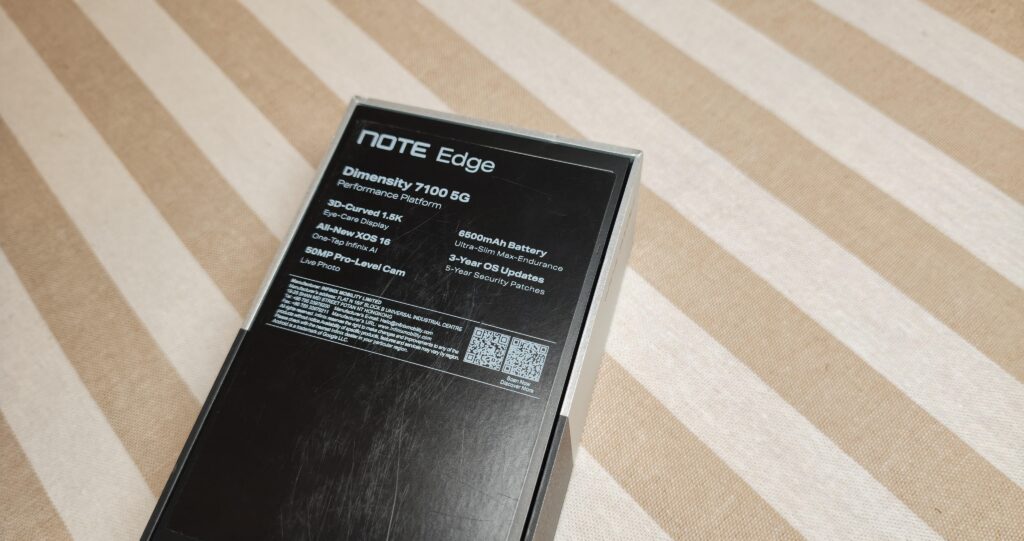
At 7.2mm thick, it’s thinner than many phones costing twice as much. Yet somehow Infinix still managed to fit a 6,500mAh battery, a 1.5K curved AMOLED display, stereo speakers, IP65 protection, and a growing list of AI-powered features into a device that starts at just ₱14,999.
That combination immediately made me curious. Because when a spec sheet looks this good, there’s usually a catch somewhere.
After spending time with the NOTE Edge, I found several things to like—but also a few things that keep it from being an automatic recommendation.
Let’s get into the UPS and DOWNS.
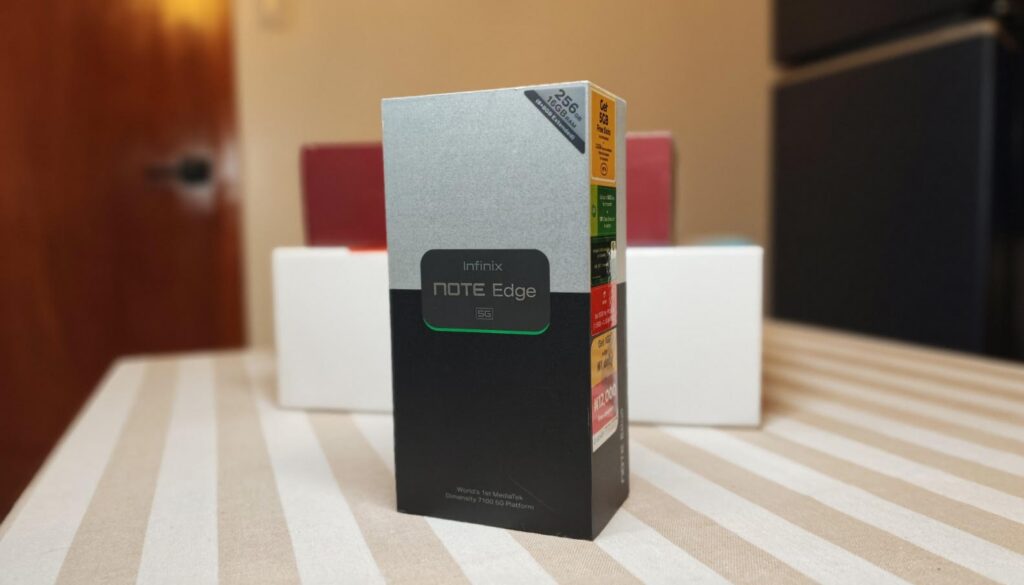
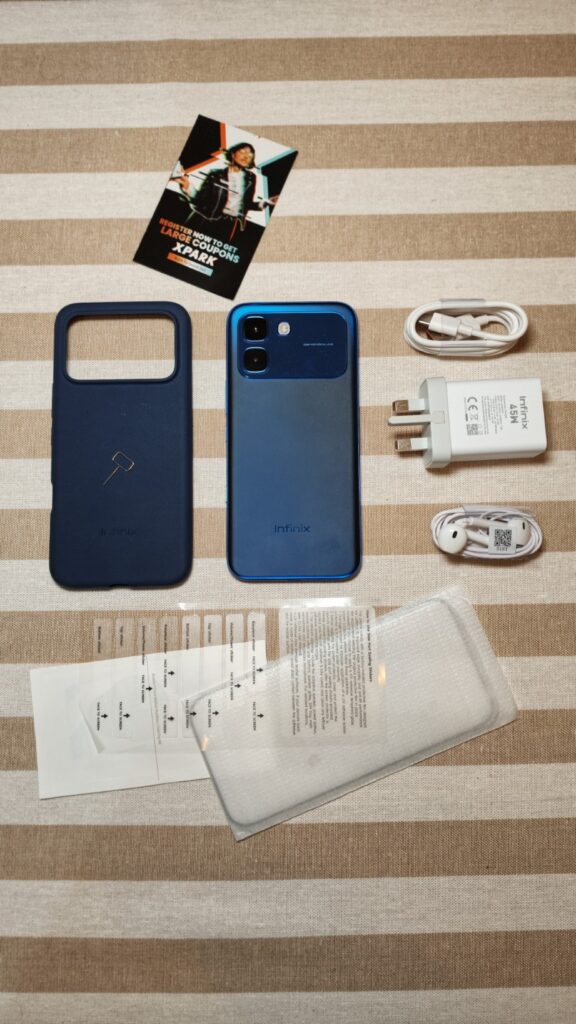
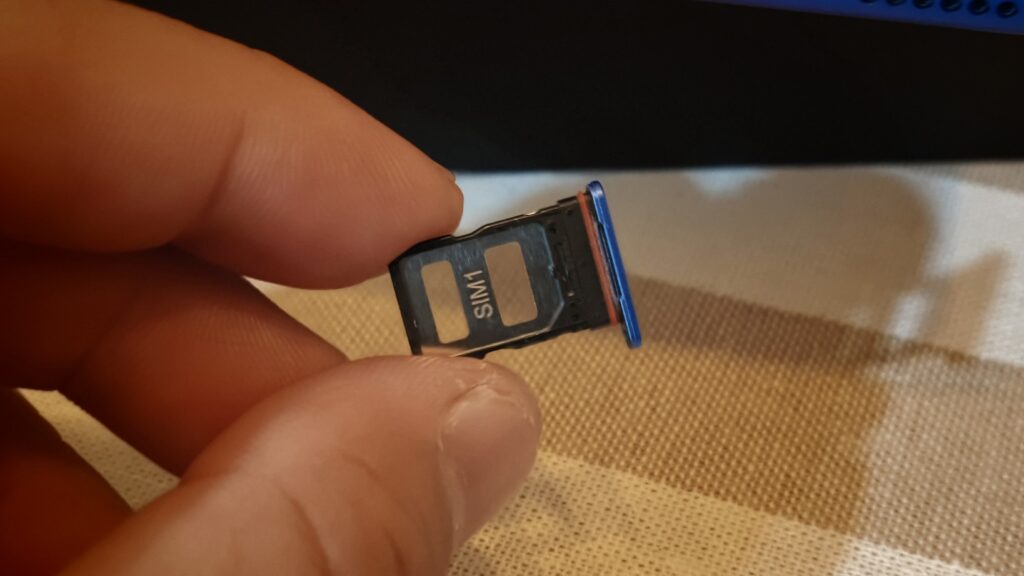
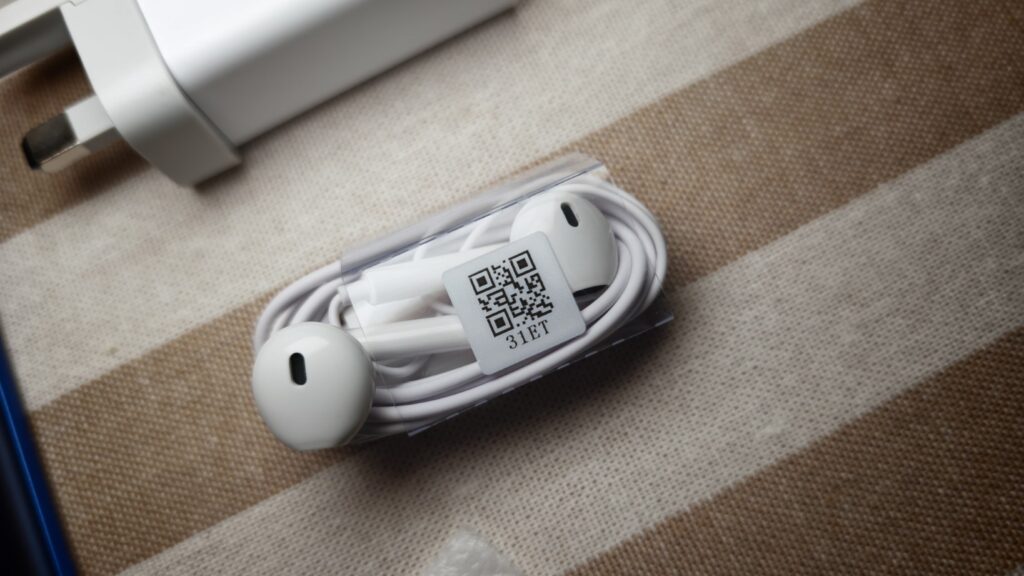
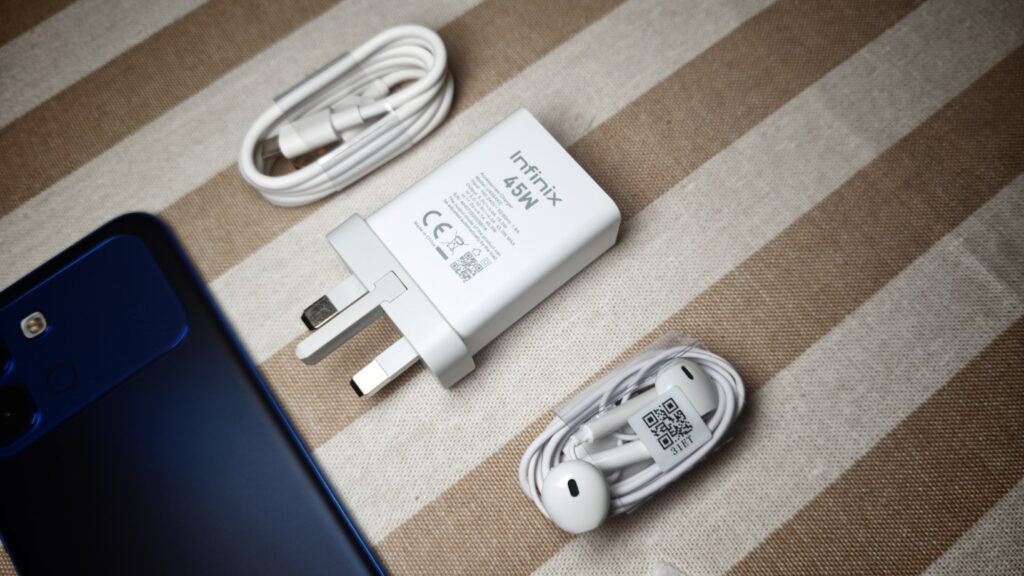
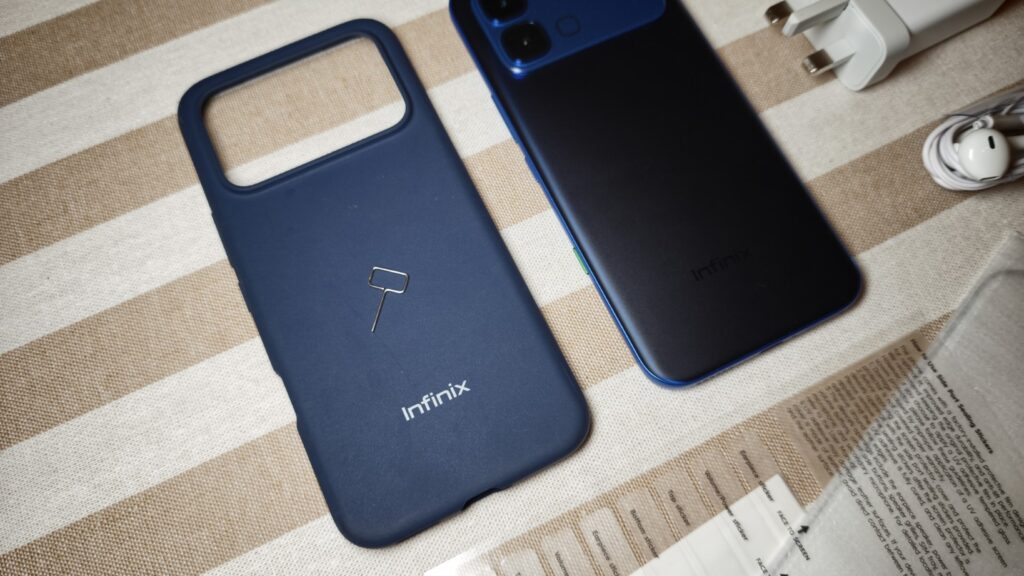
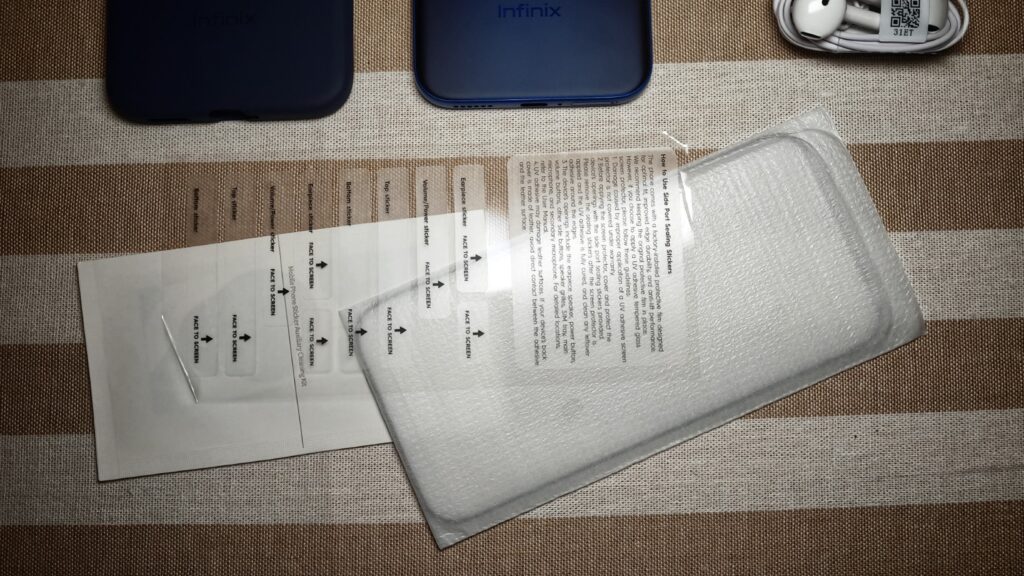
But first here:s what you get out of the box: The phone unit, phone case, paper documents, a tempered glass (important because this has a curved display) sim tray tool, and USB C wall charger.
UP: It Looks Like It Costs More Than ₱14,999
The NOTE Edge’s biggest strength is obvious the moment you take it out of the box.
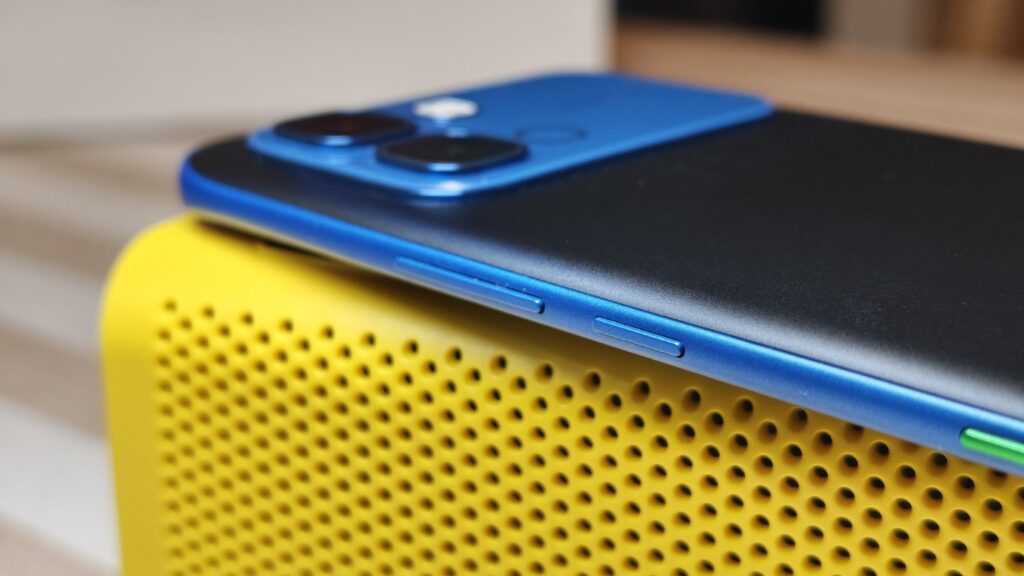
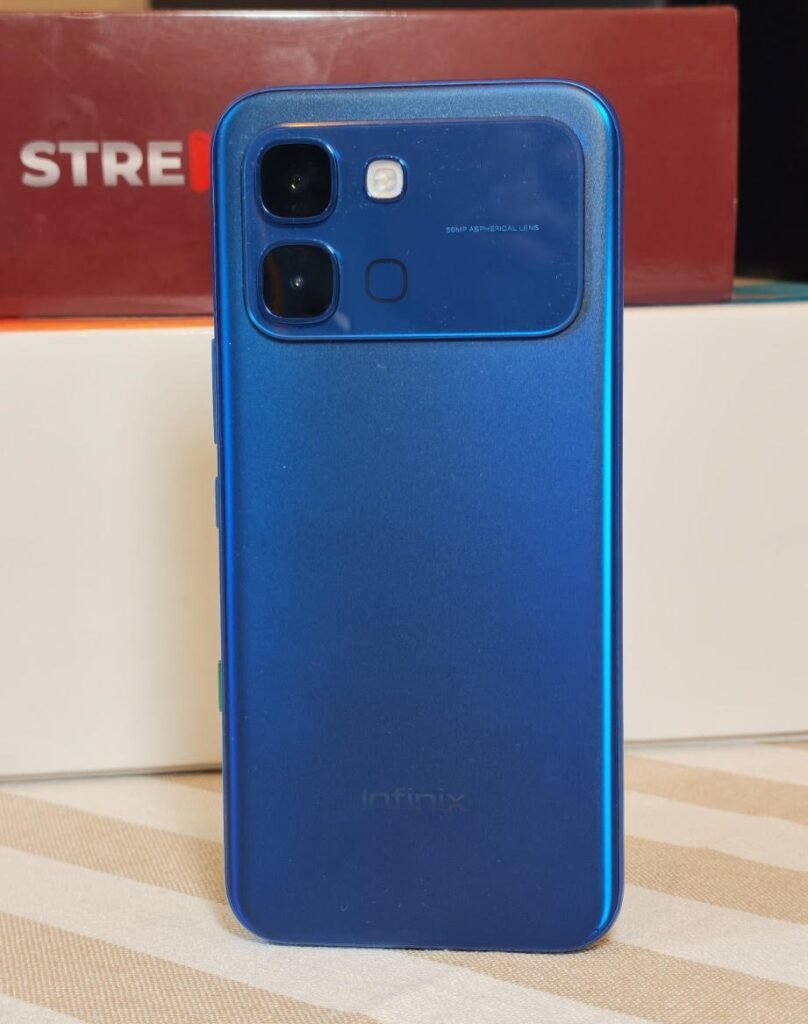
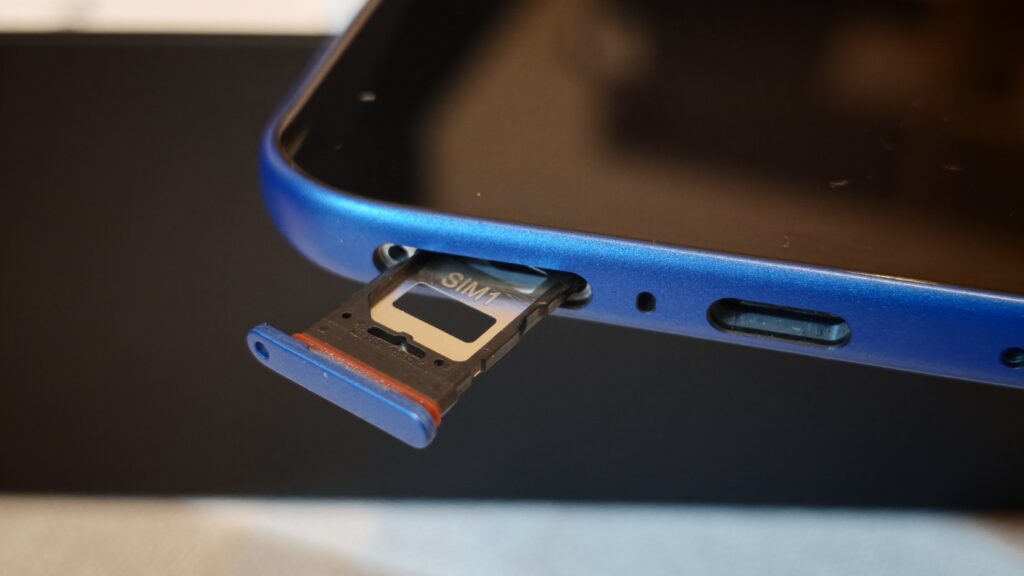
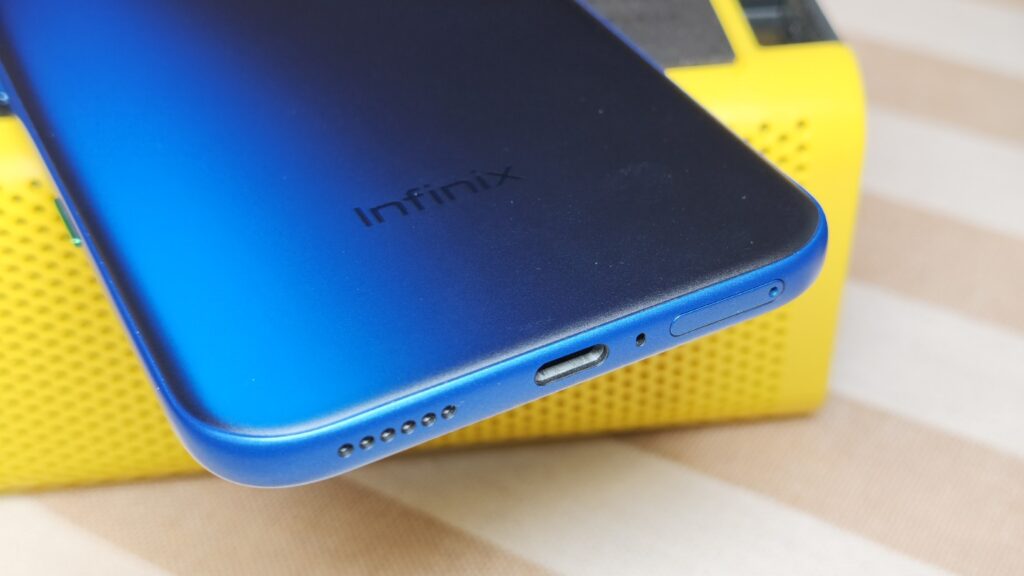
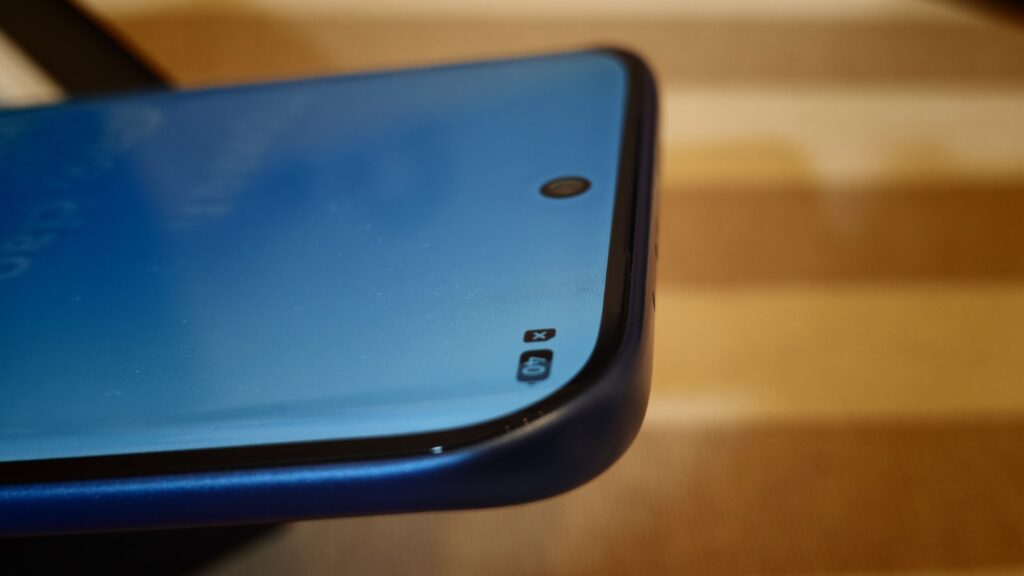
At 7.2mm thin and weighing 185 grams, this is one of the sleeker devices available in its category. The curved display immediately gives it a more premium appearance than many flat-screen competitors, while the thin bezels create an immersive front view that looks closer to a flagship than a budget phone.
The Active Halo Lighting surrounding the camera module adds a bit of personality without becoming distracting. It lights up for notifications, charging status, and other functions, making the device feel more distinctive than many similarly priced phones.
My review unit arrived in a premium-looking finish that caught the light beautifully without becoming a fingerprint magnet. Combined with its IP65 dust and water resistance rating, the NOTE Edge manages to look good while providing a little extra peace of mind for daily use.
For buyers who care about aesthetics, this phone punches far above its price tag.
DOWN: The Smoothness Doesn’t Always Match The Looks
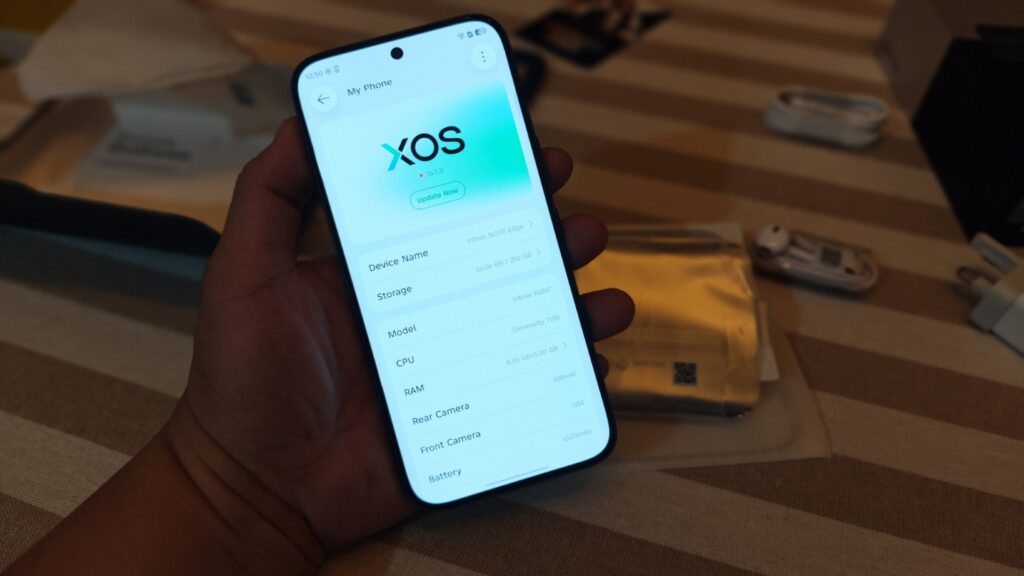
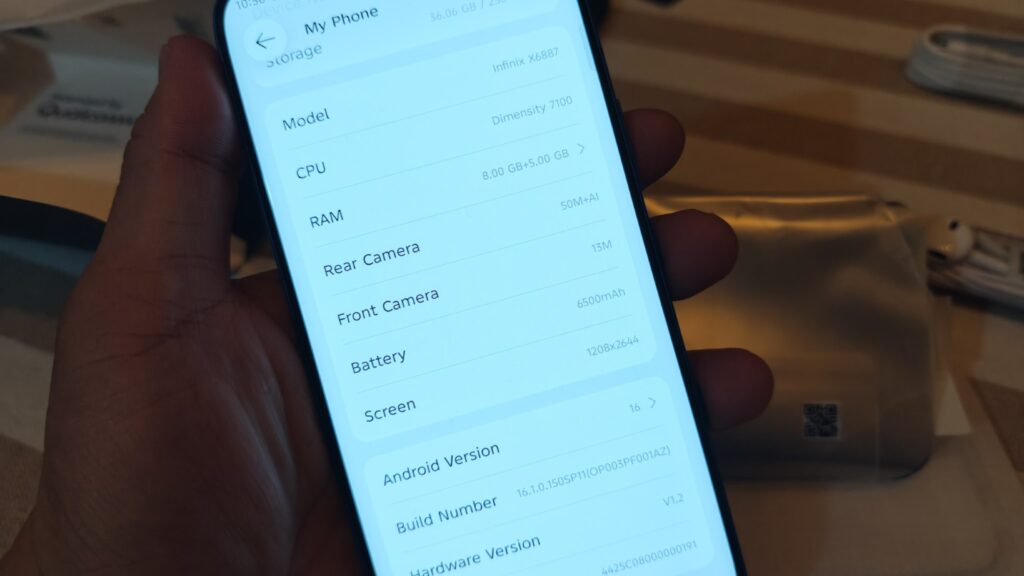
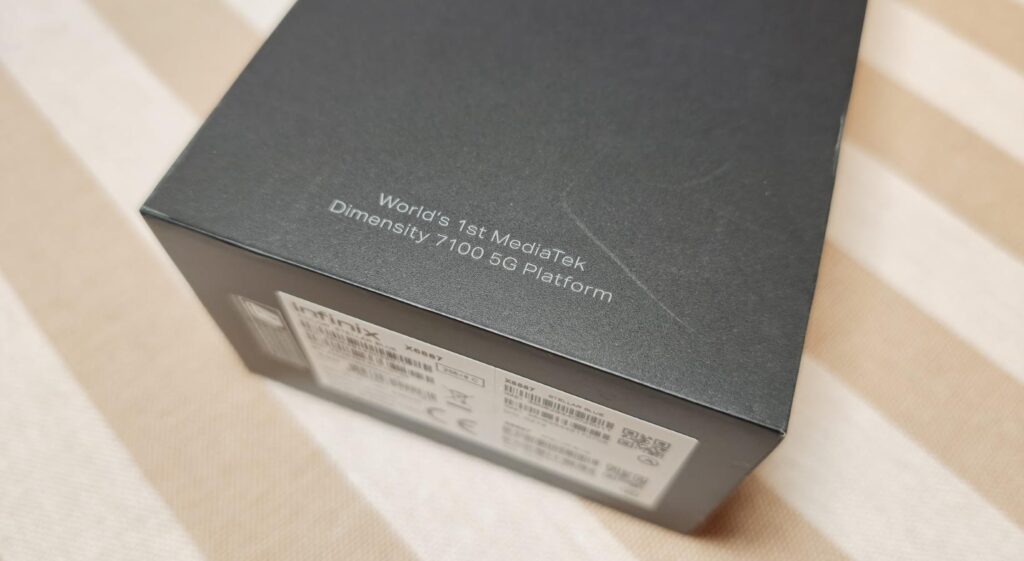
Under the hood, the NOTE Edge is powered by the MediaTek Dimensity 7100 processor paired with 8GB LPDDR5X RAM and 256GB of UFS 2.2 storage.
For routine activities, the experience is generally good. Social media apps, messaging, web browsing, and video streaming are all well within its comfort zone.
The problem isn’t power.
The problem is consistency.
Despite the high refresh rate display, I occasionally noticed micro-stutters when switching between applications or navigating quickly through menus. The hardware appears capable enough, but the software doesn’t always feel fully optimized.
This is especially noticeable because the rest of the phone creates such a premium impression. The display looks flagship-like. The design feels premium. Then a small hitch during multitasking reminds you that you’re still using a midrange device.
It never became frustrating, but it’s something worth mentioning.
UP: One of the Best Displays in Its Price Range
If there is one feature you’ll interact with hundreds of times every day, it’s the screen.
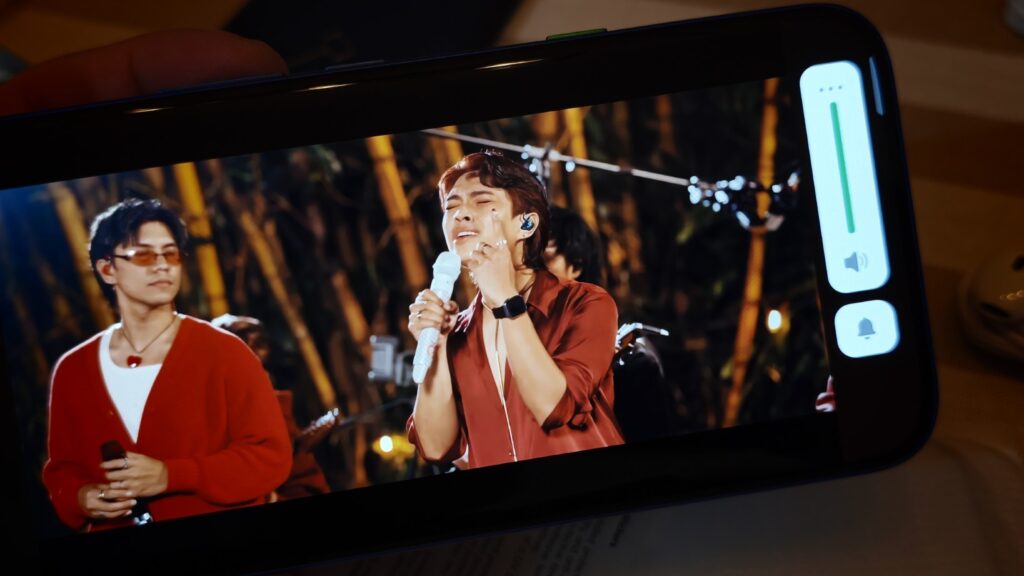
Fortunately, Infinix didn’t cut corners here.
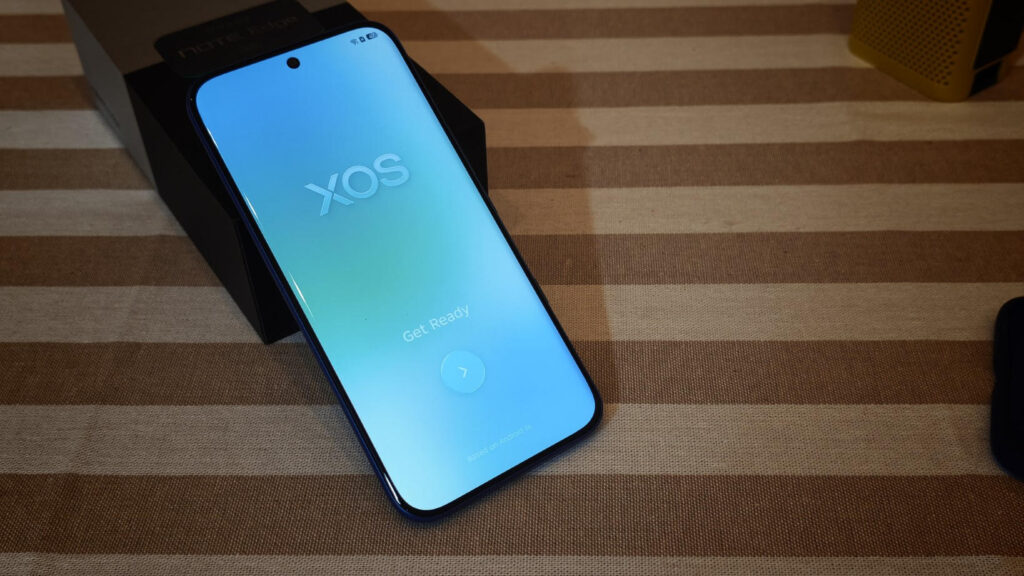
The NOTE Edge uses a 6.78-inch AMOLED panel with a 2644 x 1208 resolution, support for HDR10+, 10-bit color, and brightness that can reach up to 4,500 nits.
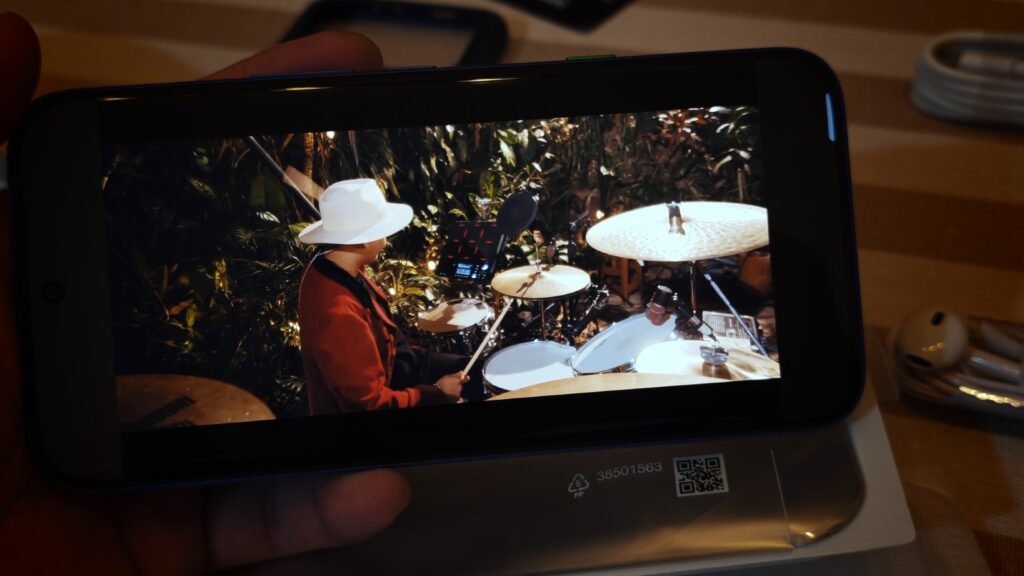
Watching Netflix, YouTube, and Disney+ was a genuinely enjoyable experience. Colors look vibrant without becoming exaggerated, blacks are deep, and text remains crisp throughout the interface.
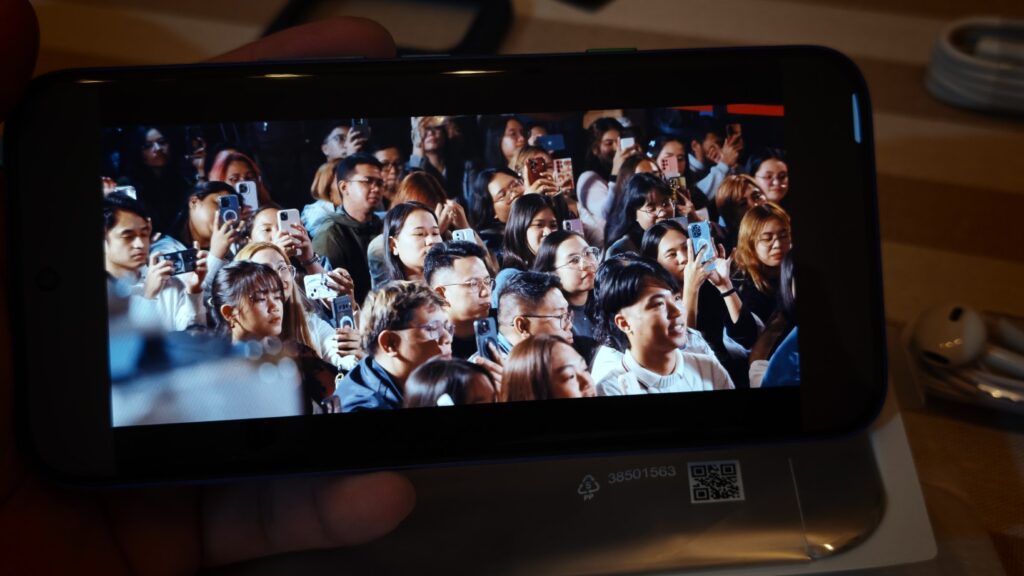
Outdoor visibility is particularly impressive. Even under direct sunlight, I rarely found myself struggling to read messages or frame photos.
The display also includes Gorilla Glass 7i protection, TÜV-certified eye comfort features, and 2160Hz PWM dimming for more comfortable viewing at lower brightness levels.
This isn’t simply a good display for a ₱15,000 phone.
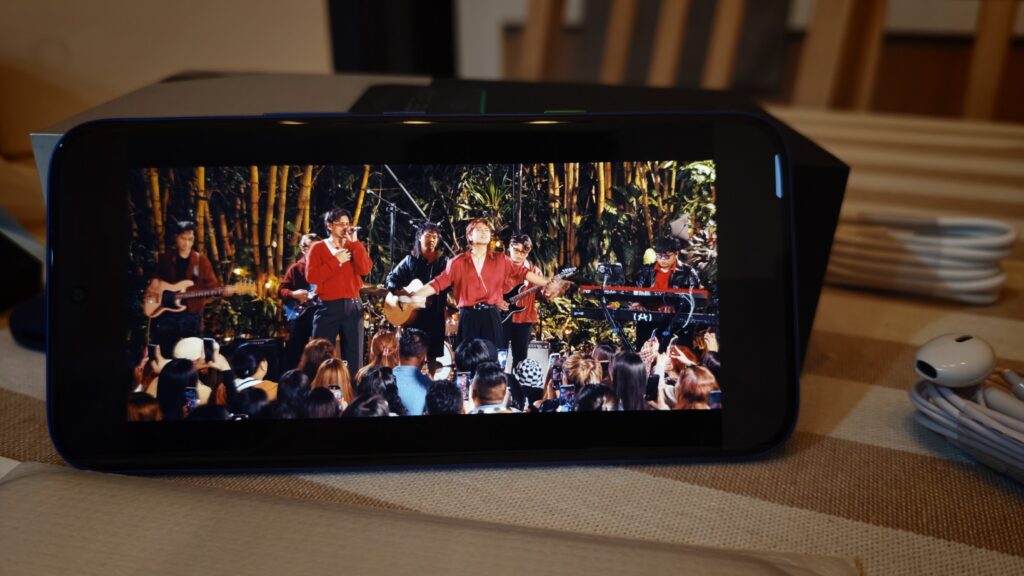
It’s a good display, period.
UP: It Gets The Little Things Right
One thing I noticed after a week of using the NOTE Edge is how often I ended up using features that rarely make it into marketing materials.
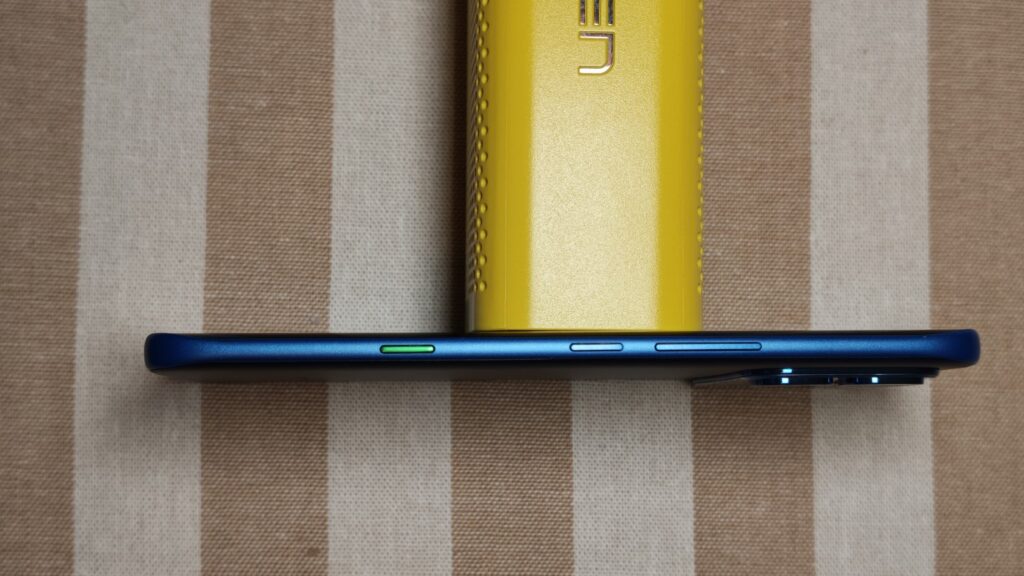
The customizable One Tap Button became one of them.
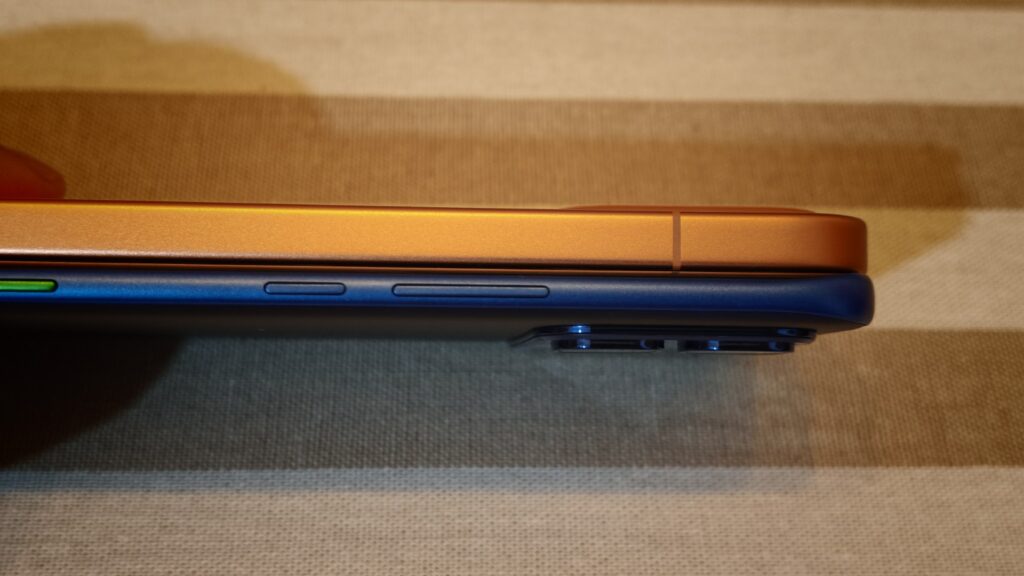
I initially ignored it, but after assigning it to launch the camera, it quickly became second nature. A long press, a quick snap, and I didn’t have to hunt through the lock screen.
The Active Halo Lighting also turned out to be more useful than expected. The LED ring around the camera module lights up for notifications, charging status, music playback, and certain AI functions. If you’re the type who leaves your phone face-down on a desk, it becomes surprisingly practical.
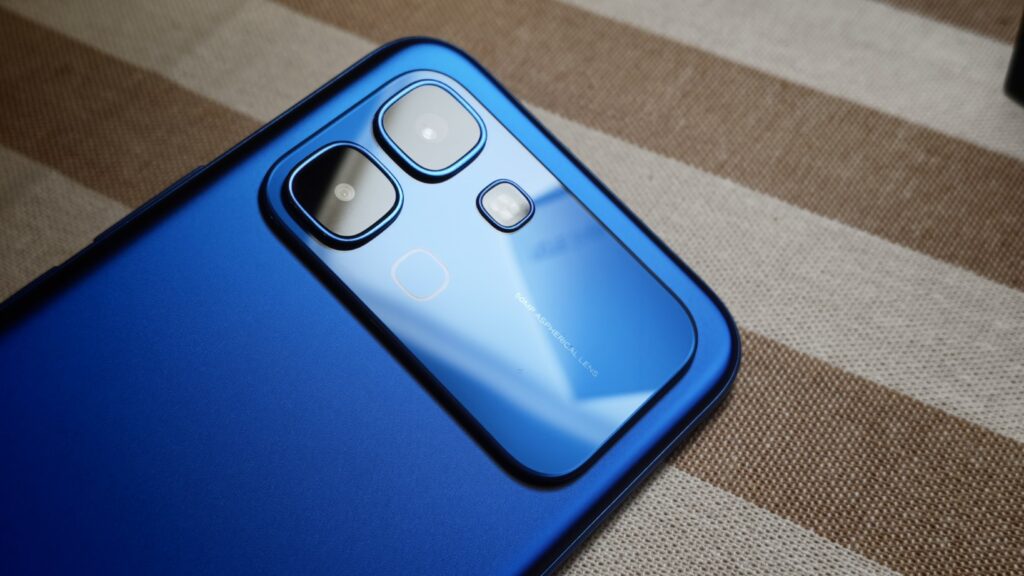
Then there are the extras that many brands have quietly removed. The NOTE Edge includes an IR blaster, allowing it to control compatible televisions and air conditioners. NFC is also present for contactless payments and quick pairing.
For entertainment, the NOTE Edge supports HDR10+ content and carries Widevine L1 certification, enabling HD streaming on Netflix and other supported platforms.
Software support is another pleasant surprise. Infinix is promising three major Android upgrades and five years of security updates, a commitment that was nearly unheard of at this price point not too long ago.
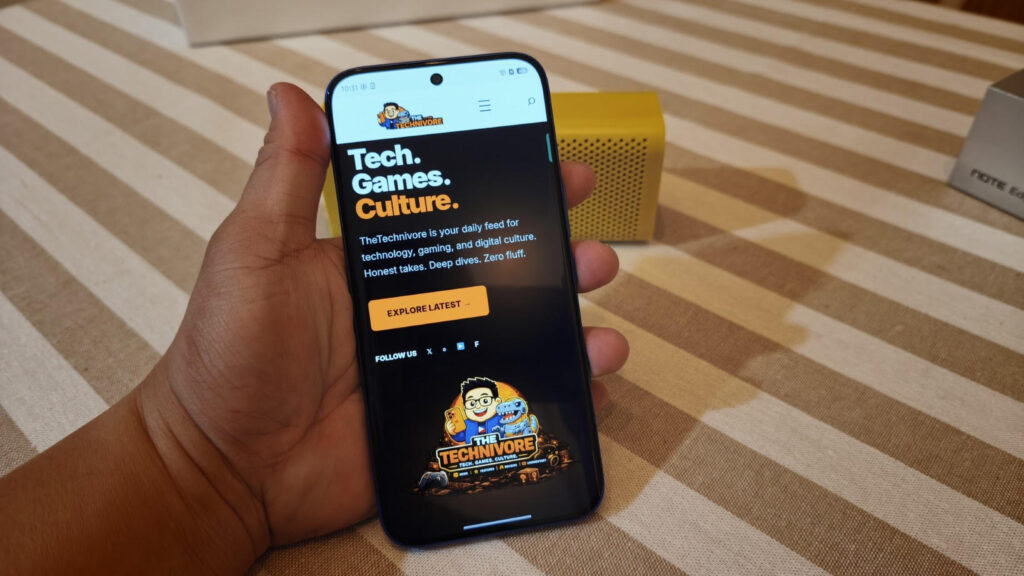
The AI suite includes AI Writing, recording summaries, subtitle generation, image extension tools, AI Eraser, and other productivity-focused features. Not every AI tool feels essential, but several are genuinely useful.
Individually, none of these features sell the phone.
Collectively, they make the NOTE Edge feel more complete than many direct competitors.
DOWN: JBL Branding Sets Expectations A Little Too High
Seeing JBL branding on a smartphone naturally raises expectations.
The stereo speakers on the NOTE Edge are decent, but they never fully capitalize on that association.
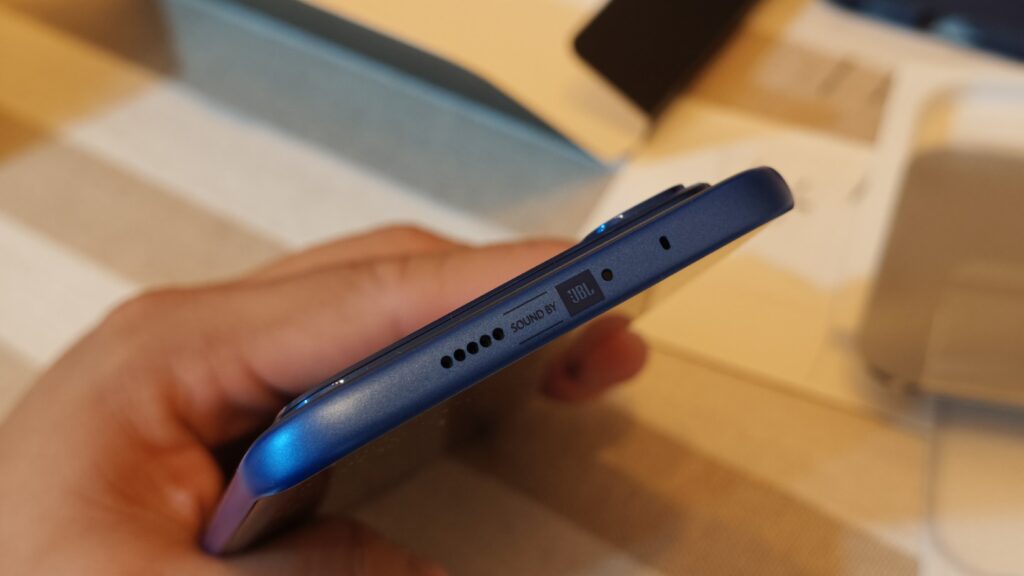
Dialogue remains clear, podcasts sound good, and videos are perfectly enjoyable. The problem appears when listening to bass-heavy music or playing action-packed games.
The low-end simply lacks impact.
The speakers are not bad by any means. They are loud enough and remain relatively clean at higher volumes.
They just don’t sound dramatically better than what many competitors already offer.
UP: A Battery Built For Real Life
Battery anxiety is almost nonexistent with the NOTE Edge.
The 6,500mAh battery consistently delivered enough power to get through a full workday of messaging, social media, photography, navigation, and entertainment.
One feature I particularly appreciated was bypass charging. During gaming sessions, the phone can draw power directly from the charger rather than continuously charging and discharging the battery.
The NOTE Edge also supports 10W reverse wired charging, effectively allowing it to function as a power bank for smaller accessories.
Combined with the included 45W charger in the box, it creates a package that feels practical rather than merely impressive on paper.
DOWN: The Battery Doesn’t Fully Exploit Its Size
This is where things become a little complicated.
Battery life is good.
Very good, in fact.
But it doesn’t quite feel as extraordinary as a 6,500mAh battery suggests.
The likely explanation is simple. A 1.5K AMOLED display and high refresh rates consume more power than a typical Full HD screen.
As a result, the NOTE Edge comfortably lasts a day, but the jump from 5,000mAh to 6,500mAh doesn’t feel quite as dramatic as some buyers may expect.
It’s still a strength.
It just isn’t the overwhelming advantage the specifications might suggest.
UP: The Cameras Are Better Than Expected
The NOTE series has never been known primarily for photography.
The NOTE Edge changes that narrative, at least partially.
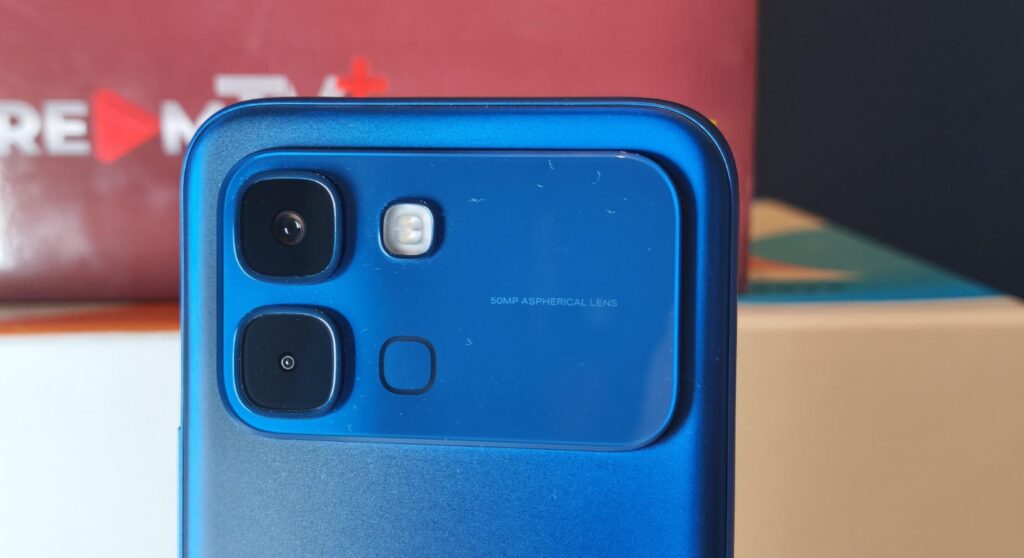
Its 50MP main camera captures detailed photos in daylight with respectable dynamic range and pleasing colors. Low-light performance also appears improved compared to previous generations.
The addition of Live Photos is a welcome feature that adds a bit of personality to everyday snapshots.
For casual photography, family gatherings, food photos, and social media uploads, the camera performs admirably.
DOWN: Photography Enthusiasts Will Eventually Hit A Wall
The limitations become apparent once you move beyond basic photography.
There is no ultra-wide camera.
There is no telephoto lens.
Digital zoom quality drops quickly, and image processing occasionally takes longer than expected after pressing the shutter.
Video recording is limited to 2K at 30fps, with stabilization requiring lower recording settings.
FINAL WORD: Sulit or Sayang?
Sulit.
The Infinix NOTE Edge’s greatest achievement isn’t its benchmark score, camera system, or AI toolkit.
It’s the fact that it consistently feels more expensive than its ₱14,999 price tag.
The slim design, curved AMOLED display, thoughtful extras, improved software support, and dependable battery experience create a package that gets most of the important things right.
The performance quirks are real. The camera system has obvious limitations. The JBL branding promises a little more than it ultimately delivers.
But for buyers who spend most of their day scrolling, streaming, messaging, taking photos, and simply wanting a phone that looks and feels premium, the NOTE Edge offers a surprisingly polished experience.
At ₱14,999, it doesn’t need to be perfect.
It simply needs to make you wonder why some phones costing much more don’t feel this complete.